Products

Home Plastic Auxiliary Machinery Crusher Series

ZL-PC180 PET Bottle Crusher Machine 2.2kW 120-150kg/h | ZILLION
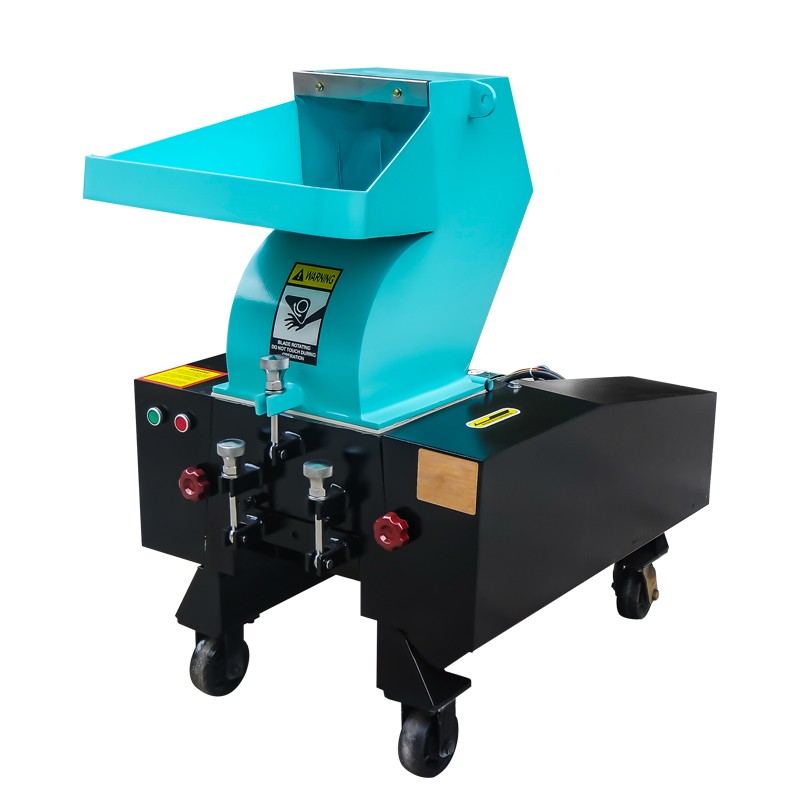
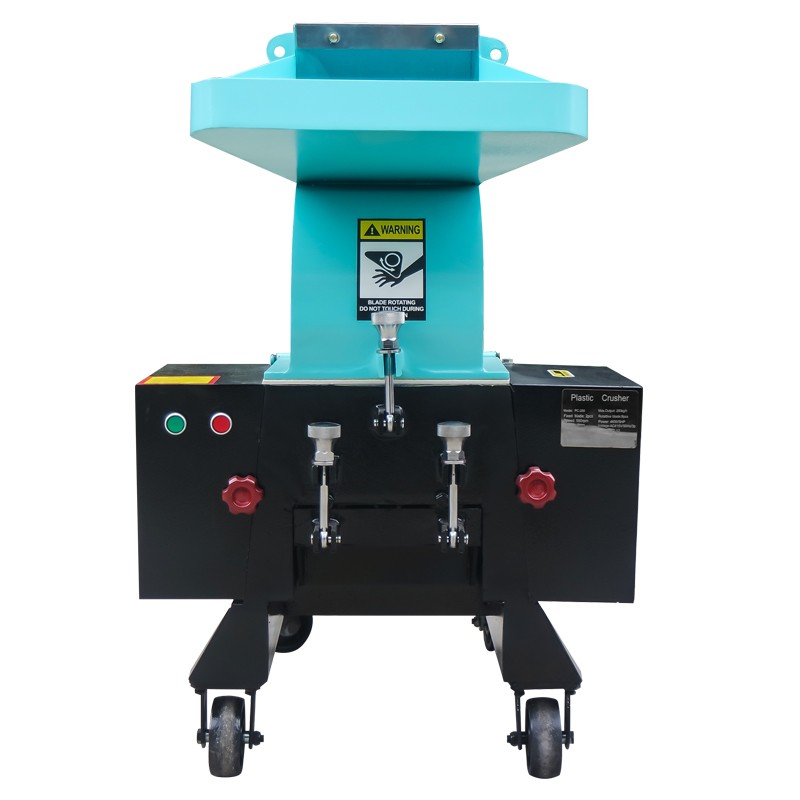
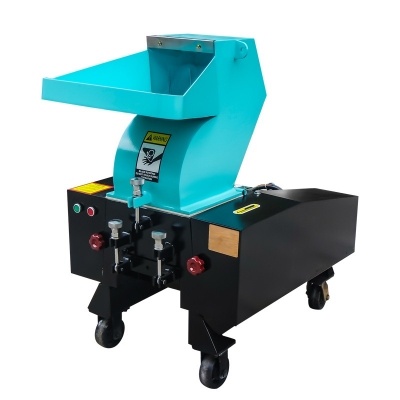
ZL-PC180 PET bottle crusher machine for plastic recycling line, 2.2kW motor with SKD-11 blades crushing 120-150kg/h of PET bottles, PP, PE, PVC rigid plastics, CE certified for industrial recycling

ZL-PC180 PET Bottle Crusher Machine 2.2kW 120-150kg/h | ZILLION
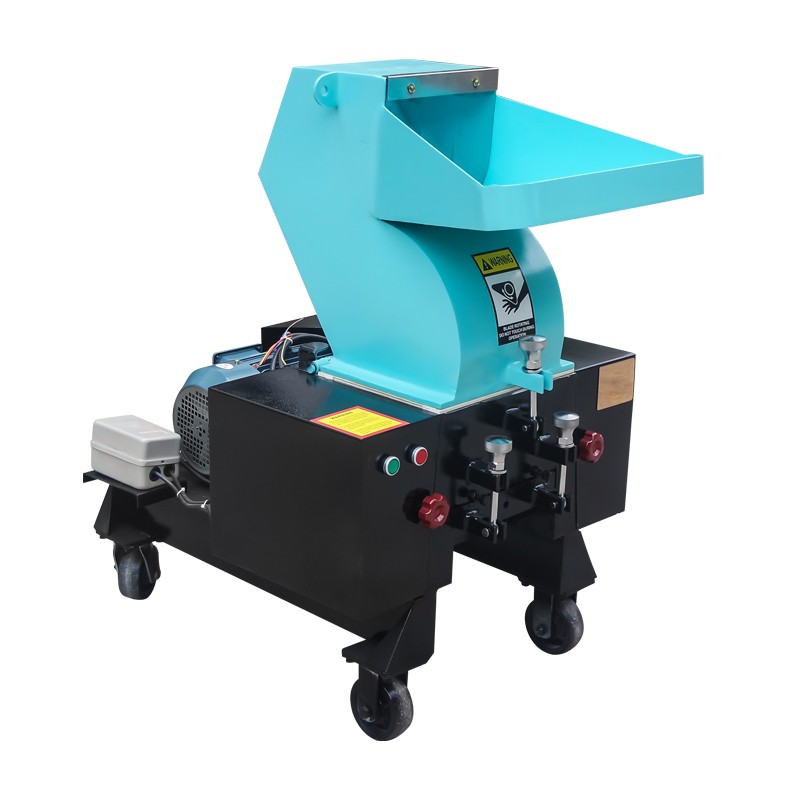
The ZL-PC180 PET Bottle Crusher is purpose-built for small-scale PET recycling operations processing 800-1500 kg/day of post-consumer bottles. Its 2.2kW motor with 9 SKD-11 rotating blades and 6-12mm interchangeable screen delivers 120-150 kg/h of uniformly-sized PET flakes-ready as direct feed for hot wash lines, dewatering, and pelletizing.

Ideal PET Recycling Applications

  • PET bottle recycling lines (water, cola, juice, cooking oil containers)
  • HDPE/PP container crushing (milk jugs, detergent bottles, caps)
  • Post-consumer bottle recovery for community collection centers
  • Pre-shredding before hot wash tanks (froth flotation separation)
  • Printing waste and injection molding sprue recovery
  • Brand:

    Dongguan Zillion
  • ItemNO:

    ZL-PC180
  • Order(MOQ):

    1
  • Payment:

    T/T 30% deposit, 70% balance
  • MarketPrice:

    $720
  • price:

    $630/Set/Sets
  • PriceRange:

    11 - 20/$579.6
  • PriceRange:

    6 - 10/$598.5
  • PriceRange:

    2 - 5/$617.4
  • PriceRange:

    1 - 1/$630
  • ProductOrigin:

    China
  • Color:

    Standard
  • ShippingPort:

    Shenzhen / Guangzhou
  • LeadTime:

    15-25 days
  • Weight:

    120

ZL-PC180 PET Bottle Crusher Machine - Small-Scale PET Recycling Solution (120-150 kg/h)

The ZL-PC180 PET Bottle Crusher is the entry point for plastic recycling entrepreneurs and community collection programs entering the PET bottle-to-flake value chain. In markets from Pakistan to Kenya, from Vietnam to Egypt, post-consumer PET bottles represent both an environmental challenge and a $200-400/ton revenue opportunity. The ZL-PC180 makes this opportunity accessible at a USD 630 entry point-with the same SKD-11 blade quality and 1-year warranty as our industrial models.

For PET recycling startups comparing this machine against granulators or shredders, the PC180 occupies the sweet spot: high enough throughput (120-150 kg/h) for commercial operation, but compact and affordable enough for first-time recyclers, community collection programs, and small washing lines. Unlike cheaper desktop granulators (typically under 50 kg/h and prone to jamming on whole bottles), the PC180's 9+2 SKD-11 blade geometry handles whole bottles with caps and labels still attached-pre-processing optional, not mandatory.

Quick Specs:

Parameter Value
Model ZL-PC180 PET
Motor Power 2.2 kW (3-phase, custom voltage available)
Capacity (PET bottles) 120-150 kg/h sustained (whole bottles, with caps)
Rotating Blades 9 pcs SKD-11 (HRC 60-62, optimized hook angle for PET)
Fixed Blades 2 pcs SKD-11 (matched set, hand-fitted)
Screen Mesh (PET optimized) 8mm default (6/10/12mm interchangeable)
Feed Opening 180 x 160 mm (accommodates whole 2L bottles)
Rotor Speed 450 RPM (low-speed high-torque for clean cuts)
Noise Level Max 78 dB at 1m (community-area acceptable)
Net Weight 120 kg (compact, single-operator handling)
Power Supply 3-phase 380V/50Hz (220V/415V/440V/480V custom available)
Compliance CE, ISO 9001, IEC 60204-1

PET Recycling Buyer Profile: Who Chooses the ZL-PC180 PET Bottle Crusher

Based on our 2024-2026 PET recycling shipment data, the ZL-PC180 PET Bottle Crusher is most often specified by these buyer profiles:

  • Small PET recycling startups (South Asia: Pakistan, India, Bangladesh) entering the bottle-to-flake market. Typical setup: 1-2 PC180s feeding a hot wash tank + dewatering screw + dryer, producing 25-30 tons of clean PET flake per month. Investment under USD 5,000 for the complete line. Payback period 3-6 months.
  • Community PET collection centers (East Africa: Kenya, Tanzania, Uganda; West Africa: Nigeria, Ghana) processing 500-1000 kg/day of collected bottles into flake for export or local sale. The PC180's compact 750x550x910mm footprint fits inside converted shipping containers-common deployment for mobile collection stations.
  • Hotel, restaurant, and resort bottle recycling programs (Middle East, Mediterranean, Caribbean) recovering PET bottles on-site for sale to recyclers. The PC180's low 78 dB noise level makes it suitable for hotel back-of-house operations. Many programs achieve USD 200-500/month revenue offsetting waste hauling costs.
  • Printing waste and injection molding sprue recovery (Southeast Asia, Latin America) producers who generate 500-1500 kg/day of PET scrap from production. In-house crushing eliminates 80% of waste hauling costs and produces reusable flake for in-house blending. ROI typically 2-4 months.

Buyers in these segments typically compare the ZL-PC180 against cheaper Chinese granulators (USD 200-400) and find that the PC180's 3-4x higher throughput, longer blade life, and 1-year warranty justify the modest price premium within the first 6 months of operation.

PET Recycling Workflow & Line Position

A complete PET bottle-to-flake recycling line involves 8 sequential stages. The ZL-PC180 sits at the critical size-reduction step-bottles go in (whole, with caps and labels), uniformly-sized 8-12mm PET flakes come out. Here's how the PC180 integrates into the standard PET recycling workflow:

Step Process PC180 Role
1. Collection Bottle collection from drop-off centers, hotels, households
2. Manual Sort Sort by color (clear/blue/green/mixed), remove non-PET contaminants
3. De-Labeling (optional) Heat tunnel or chemical bath removes shrink labels and adhesives PC180 handles whole bottles with labels still attached (but pre-de-labeling improves flake purity)
4. Pre-Wash (cold water) Rinse bottles to remove surface dirt, food residue, sand
5. Size Reduction (CRUSHING) Reduce whole bottles to 8-12mm uniform flakes ZL-PC180 is the workhorse at this step
6. Hot Wash 80-90°C caustic wash with detergent removes glue, oils, residual organics PC180 output is ideal size-direct feed to hot wash tank
7. Rinse + Dewater Cold rinse + centrifugal dewatering brings moisture below 3%
8. Dry + Pelletize Hot air drying + extrusion pelletizing produces food-grade rPET

The PC180's 8mm screen is optimized for the hot wash step: flakes small enough for effective washing and chemical penetration, but large enough to avoid excessive fines (which reduce yield and clog downstream equipment). The PC180 can be fed by manual drop (operator loading bottles directly) or by conveyor for higher-volume operations.

PET Material Compatibility & Screen Mesh Selection

The ZL-PC180 handles a range of rigid plastics commonly found in PET bottle collection streams. Selecting the right screen mesh for each material is critical for downstream washing and pelletizing efficiency:

Material Recommended Screen Throughput vs PET Notes
PET (clear/colored bottles) 8mm (default), 10mm for thicker bottles 120-150 kg/h (baseline) Optimal flake size for hot wash; minimal fines
HDPE (milk jugs, detergent bottles) 10mm, 12mm for thicker containers 100-130 kg/h (15% slower than PET) HDPE is tougher; larger screen reduces motor load
PP (caps, food containers, buckets) 8mm, 10mm 130-160 kg/h (10% faster than PET) PP is more brittle; easier to crush but creates more dust
PVC (rigid pipes, profiles) 10mm, 12mm 80-110 kg/h (30% slower than PET) PVC is abrasive; blade life reduced 30%
ABS / PS (engineering plastics) 6mm, 8mm for finer flake 90-120 kg/h Fines separation critical; pre-sort mandatory

Screen Change Procedure (under 2 minutes): The PC180's toggle-clamp screen mount allows quick screen swaps without tools. For multi-material operations (e.g., processing both PET and HDPE on the same day), operators can change screens in 90 seconds-3x faster than threaded-ring domestic models.

Fines Control: PET flakes smaller than 4mm are considered "fines" and reduce both yield and downstream washing efficiency. The PC180's optimized rotor geometry and SKD-11 blade hook angle minimize fines generation to typically under 5% (vs 10-15% for cheaper granulators).

Small-Scale PET Recycling Economics (USD)

For PET recycling startups and community collection programs, the economics of the ZL-PC180 are compelling. Here's a realistic monthly P&L for a single-PC180 operation:

Item Calculation Monthly (USD)
Revenue (Clear PET Flake) 130 kg/h × 8h × 25d = 26,000 kg/mo × $300/ton (clear flake, S Asia avg) +7,800
Revenue (Colored PET Flake) If 30% is colored: 7.8t × $180/ton +1,400
Bottle Collection Cost 26t × $50-80/ton (varies by region) -1,800
Electricity 2.2kW × 8h × 25d × $0.10/kWh -44
Labor (1 operator) Part-time at $8/h × 8h × 25d -1,600
Blade Replacement (annual / 12) $300 blade set / 12 months -25
Net Monthly Profit Pre-tax, single-machine, 1-shift operation +5,731
Payback Period ZL-PC180 investment ($630) / monthly profit ~3 days (!)

Key insight: The PC180's USD 630 entry price is recovered in the first 3 days of operation under realistic S Asia PET collection economics. The remaining 27 days of the month generate USD 5,700+ net profit. Even with 50% lower throughput than the table above (first-month learning curve, equipment commissioning), the payback is under 1 week.

For multi-shift operations (16-20 hours/day), the same PC180 produces 50-60 tons of flake per month, with net profit exceeding USD 13,000/month and payback in under 24 hours of operation. Most successful PET recycling operations we've supplied reach 2-shift operation within 6-12 months of startup.

Regional Price Variations (PET Flake, indicative):

  • Pakistan / India / Bangladesh: Clear flake USD 280-380/ton, colored USD 150-220/ton
  • Southeast Asia (Vietnam, Thailand, Indonesia): Clear flake USD 320-450/ton, colored USD 180-260/ton
  • East Africa (Kenya, Tanzania): Clear flake USD 250-350/ton (mostly export to S Asia)
  • Middle East (Egypt, Turkey): Clear flake USD 350-480/ton (higher labor and logistics costs)
  • Latin America (Mexico, Brazil): Clear flake USD 400-550/ton (premium for domestic rPET demand)

PET flake prices fluctuate with crude oil prices (virgin PET competes on cost) and local recycling regulations. Many regions now mandate 25-50% rPET content in beverage bottles, creating stable demand for clean flake.

PET Bottle Pre-Processing & Crusher Maintenance

PET bottles arriving at the crusher are rarely clean. They typically contain residual beverage, label adhesives, sand, paper labels, and PP caps. The ZL-PC180 is engineered to handle this contamination, but specific maintenance practices extend blade life and ensure consistent flake quality:

Interval Action Time Required Why It Matters for PET
Daily (per shift) Drain residual water/syrup from chamber; visual blade inspection 5 minutes Beverage residue attracts insects; corrodes blades over time
Weekly Clean chamber with water hose; check for label adhesive buildup on blades 15 minutes Adhesive buildup reduces cutting efficiency by 20-30%
Every 200-300 hours Sharpen SKD-11 blades (or rotate to use second edge) 30 minutes PET bottles (especially with sand contamination) dull blades faster than HDPE
Monthly Inspect screen for holes; clean V-belt; check motor bearings 30 minutes Worn screen produces oversized flakes that jam wash lines
Every 1000 hours Replace rotating blade set (PET blade life: 800-1200h vs 1500h for HDPE) 30 minutes PET's toughness and abrasiveness (from sand contamination) reduces blade life 30%
Every 3000 hours Replace fixed blades + screen + V-belt (full wear kit) 60 minutes Annual deep maintenance; restores original performance

Contamination Handling Best Practices for PET:

  • Wet bottles: Acceptable. The PC180 handles bottle residual water without issue-just drain the chamber daily to prevent mosquito breeding.
  • Sand contamination: Common in regions where bottles are collected from beaches or construction sites. Sand dramatically accelerates blade wear. Recommend pre-rinse or 5-minute sediment settling before crushing.
  • Metal contamination: Bottles with metal caps still attached can damage blades. Recommend manual cap removal for high-value operations, or accept shorter blade life (every 600h instead of 1000h).
  • Paper labels: Pass through the crusher without issue; separate from PET flake in the hot wash step (paper dissolves or floats off).
  • Multi-layer bottles (PET-PE): Common for ketchup, shampoo bottles. Crush without issue but downstream separation is more complex-recommend dedicated processing line.

Spare parts inventory recommendation for PET operations: Keep 1 rotating blade set in stock (USD 300), 1 fixed blade set (USD 150), 2 spare screens (6mm and 10mm, USD 80 each), and 1 V-belt (USD 30). Total inventory: USD 640. Spare parts ship from Dongguan within 3-5 days by air freight.

PET Bottle Crusher Line Features

  • Whole-Bottle Feed Capability: Accepts whole PET bottles up to 2L with caps and labels still attached. No pre-shredding required. Feed opening 180x160mm accommodates most bottle sizes.
  • 8mm Screen Optimized for Hot Wash: Default screen produces 8mm PET flake-ideal size for chemical penetration in hot wash tanks (80-90°C caustic). Smaller flake = better cleaning but more fines; larger flake = faster throughput but poor washing.
  • Low-Speed High-Torque Rotor (450 RPM): Slower rotor speed (vs 800-1000 RPM in granulators) produces cleaner cuts with less fines and less heat buildup. Critical for PET, which softens at 70-80°C and can smear if overheated.
  • SKD-11 Blades with Optimized Hook Angle: 9 rotating + 2 fixed SKD-11 blades with geometry optimized for PET cutting. Hook angle ensures clean slice rather than shatter, reducing fines by 50% vs granulator designs.
  • Multi-Material Capability: Beyond PET, the PC180 handles HDPE, PP, PVC rigid, ABS, PS-allowing recycling operations to diversify feedstock as market prices shift. Same machine, multiple revenue streams.
  • Low Noise for Community Deployment: Max 78 dB at 1m-acceptable for hotel back-of-house, community collection centers, and indoor operations. Compare to 90-95 dB for cheaper granulators, which require hearing protection and dedicated rooms.
  • Quick Screen Change (90 seconds): Toggle-clamp screen mount enables rapid screen swaps without tools. Critical for operations processing multiple plastic types in a single day.
  • Food-Grade Output Capable: With proper pre-sorting and hot wash line, PC180 output can meet FDA EFSA food-contact rPET requirements for non-bottle applications. We provide material compatibility statements for buyer certification processes.

FAQ - PET Bottle Recycling Focus

Q1: What screen mesh produces the cleanest PET flake for hot washing?
The 8mm screen is optimal for most PET bottle recycling operations. It produces flakes small enough for effective chemical penetration in hot wash tanks (80-90°C), but large enough to avoid excessive fines generation. For thicker bottles (e.g., 5L water jugs), use the 10mm screen to reduce motor load.

Q2: Can the PC180 crush HDPE, PP, and PVC bottles too, or only PET?
The PC180 handles all common rigid bottle plastics: PET, HDPE, PP, PVC. Recommended screen varies by material (see compatibility table above). Many recycling operations run mixed streams through the PC180, then separate downstream in float-sink tanks (PET sinks, HDPE/PP float).

Q3: What size PET flakes work best for hot washing and pelletizing?
8-12mm flakes are ideal. Smaller than 6mm creates excessive fines (lost yield, wash tank clogging). Larger than 14mm doesn't allow proper chemical penetration in the hot wash. The PC180's 8mm default screen hits the sweet spot.

Q4: How much electricity does the PC180 consume per ton of PET crushed?
Approximately 15-18 kWh per ton of PET, depending on screen size and feed rate. At $0.10/kWh, that's USD 1.50-1.80 per ton in electricity cost-typically 5-10% of total operating cost. PET is one of the more energy-efficient plastics to crush.

Q5: Can the crusher handle whole PET bottles with caps and labels still attached?
Yes. The PC180's 9+2 SKD-11 blade geometry and 450 RPM rotor handle whole 2L bottles with PP caps and PE labels still attached. However, pre-removing caps (manual or automatic de-capper) extends blade life by 20-30%, and pre-de-labeling improves final flake purity.

Q6: How often do I need to sharpen or replace the SKD-11 blades for PET?
PET is harder on blades than HDPE due to sand contamination and bottle rigidity. Expect sharpening every 200-300 hours (vs 400-500h for HDPE), and full replacement every 800-1200 hours. Many operations keep a spare blade set in stock for swap-out during scheduled maintenance.

Q7: Is the PC180 compatible with upstream de-labeling and pre-washing equipment?
Yes. The PC180 is designed to sit downstream of optional pre-processing: de-labeling tunnel (heat or chemical), cold pre-wash tank, and metal detection. It also feeds directly into hot wash tanks, float-sink separation, dewatering screws, and drying/pelletizing lines. We provide CAD drawings for line integration.

Q8: How much daily cleaning and maintenance does the PC180 require for PET operations?
Approximately 15-30 minutes per shift: 5 minutes daily chamber drain and visual inspection, plus 15 minutes weekly chamber cleaning and blade check. PET operations with high contamination (beach-collected bottles, food residue) may need 30 minutes daily.

Q9: Are spare parts and consumables (blades, screens) readily available?
Yes. We maintain inventory of ZL-PC180 spare parts at our Dongguan warehouse: rotating blade sets, fixed blade sets, screens (6/8/10/12mm), V-belts, and bearings. Most parts ship within 3-5 days by air freight, or 25-30 days by sea. Distributors in major regions keep local inventory.

Q10: Can the PC180 process printing waste or production scrap from PET preforms and sheets?
Yes. The PC180 handles PET preform runners (injection molding waste), PET sheet trim, and PET strapping with throughput similar to post-consumer bottles. Many PET product manufacturers use the PC180 for in-house scrap recovery, eliminating 80% of waste hauling costs.

Send A Message
If you are interested in our products and want to know more details,please leave a message here,we will reply you as soon as we can.

Related Products

ZL-PC180 Industrial Plastic Crusher Machine 2.2kW 120-150kg/h | ZILLION
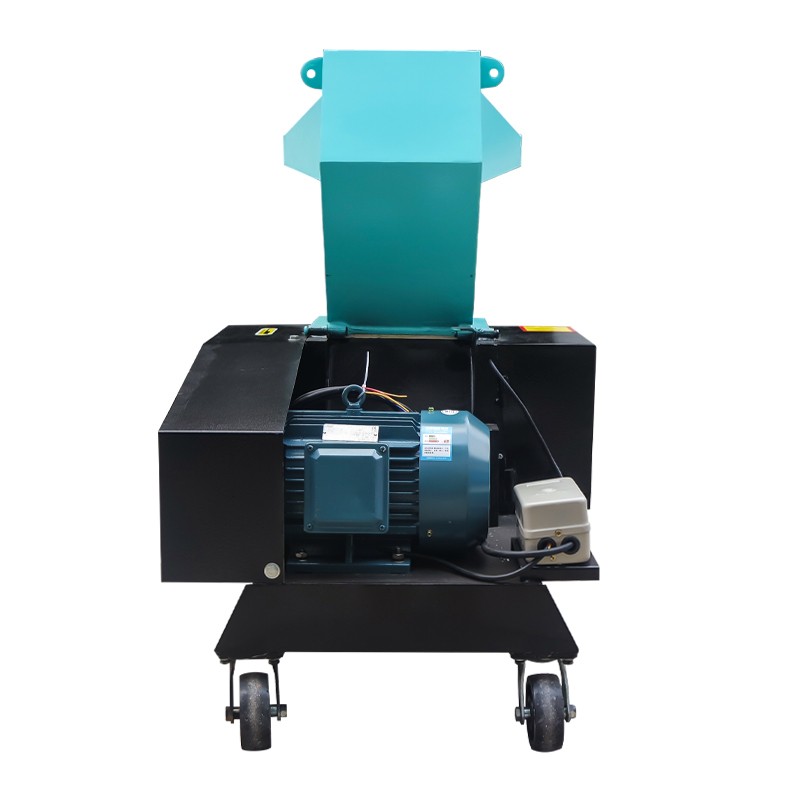
The ZL-PC180 Industrial Plastic Crusher is engineered for factory production lines requiring reliable 120-150 kg/h throughput. Its 2.2kW heavy-duty motor paired with 9 SKD-11 rotating blades delivers consistent particle size for downstream extrusion or compounding lines. Industrial Features Heavy-duty 2.2kW motor for continuous operation SKD-11 blades rated for 1000+ hours of use Industrial-grade frame and bearings CE certified for global deployment

ZL-PC180 Plastic Crusher Machine China Supplier 2.2kW 120-150kg/h | ZILLION

The ZL-PC180 Plastic Crusher Machine is manufactured in China by Zillion — a leading plastic crusher supplier with 15+ years of OEM/ODM experience. This 2.2kW industrial model produces 120-150 kg/h and ships directly from our Dongguan factory at competitive wholesale pricing. China Supplier Advantages Factory-direct pricing with no middleman markup OEM/ODM branding and packaging available Multi-voltage: 220V/380V/400V/415V/440V CE certified for global markets
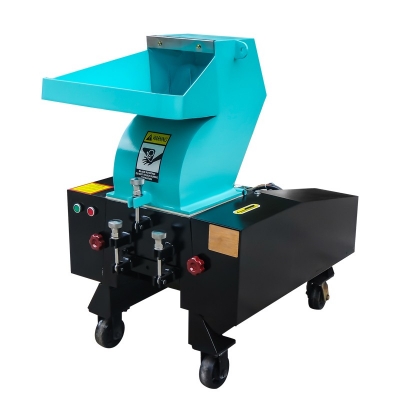
Small crusher grinder machine
Plastic Crusher Machine Small Shredder 3HP

The small plastic crusher is a device specially used for crushing small plastic items. It is small in size and easy to be placed in various places, such as small factories, laboratories, and corners of workshops. The machine is mainly composed of a feeding port, a crushing chamber, cutting tools, a motor and a discharge port. Through the motor driving the cutting tools to rotate at high speed, the plastic put into the feeding port is quickly crushed into small particles. The small plastic crusher is suitable for processing various waste plastic products, such as beverage bottles, plastic films, small plastic parts, etc. It is simple to operate, safe and reliable, and can effectively realize the recycling of plastics, reducing resource waste and environmental pollution.

Plastic recycle machine
5HP Small Hot Sale Plastic Recycling Plastic Crusher Machine

The 5HP plastic crusher is suitable for crushing various types of soft and hard plastics, including plastic edge materials, recycled materials, semi-finished products, etc. It can crush plastics in the forms of blocks, balls, sheets, strips, bottle shells, basket bags, etc. into granular form for recycling, greatly improving the utilization rate of plastics. This crusher is power-saving and has excellent crushing effect. The base is attached with pulleys for convenient movement, and it has a compact size without taking up too much space.
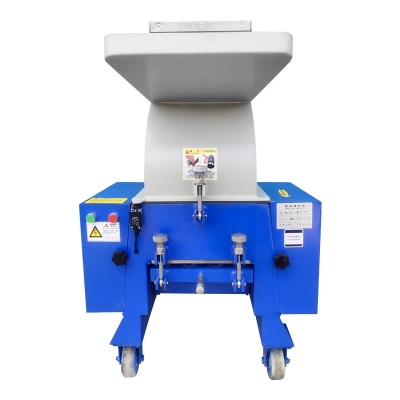
Plastic recycling equipment.
Plastic Crusher Machine Shredder /Grinder 7.5HP

Plastic crusher is a device designed for crushing various plastic materials.   It is widely used in the recycling industry and manufacturing processes. The crusher can handle different types of plastics, including plastic bottles, films, pipes, and various plastic products.
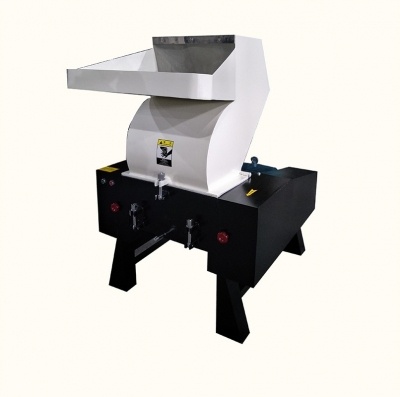
Plastic granulator crusher
Plastic Crusher 10HP Recycling Shredder for Plastic Bottle Crushing Machine

The plastic crusher is a machine specially designed for crushing various plastic materials. It has a sturdy and durable casing, usually made of high-quality steel, which can withstand high-intensity working pressure. When various plastic items are put into the feeding port of the crusher, the cutters quickly cut and crush them. Whether it is hard plastic sheets or soft plastic films, they can be crushed into uniform small particles in a short time.
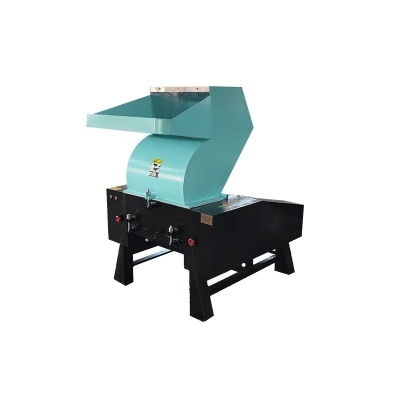
Plastic recycling equipment crusher
15HP Waste Plastic Crusher Machine - Plastic Scrap Granulator

This machine is usually made of high-quality steel, ensuring durability and stability. It is equipped with powerful motors and sharp cutting blades. The plastic materials are fed into the crusher through a hopper. Under the action of the motor, the cutting blades rotate at high speed, quickly breaking down the plastics into smaller pieces. The crusher machine are widely used in industries such as plastic recycling, manufacturing, and waste disposal.

plastic bottles crusher
Waste Harder Plastic Shredder and PE PP PVC PET Plastic Crusher for Recycling Lump Plastic Crushing 20HP

The plastic crusher is a key device specially used for processing plastics. Its core function lies in efficient crushing. It can quickly cut and crush various plastic products of different shapes and sizes, such as plastic bottles, films, and pipes, into uniform small particles through a powerful power system driving high-speed rotating cutters. It can easily handle both engineering plastics with high hardness and softer plastic films, adapting to the crushing needs of different plastic materials.

If you are interested in our products and want to know more details,please leave a message here,we will reply you as soon as we can.

Home

Products

About Us

Whatsapp