ZL-PC1000 Mixed MRF Capacity Shredder 38kW 1500kg/h Centralized
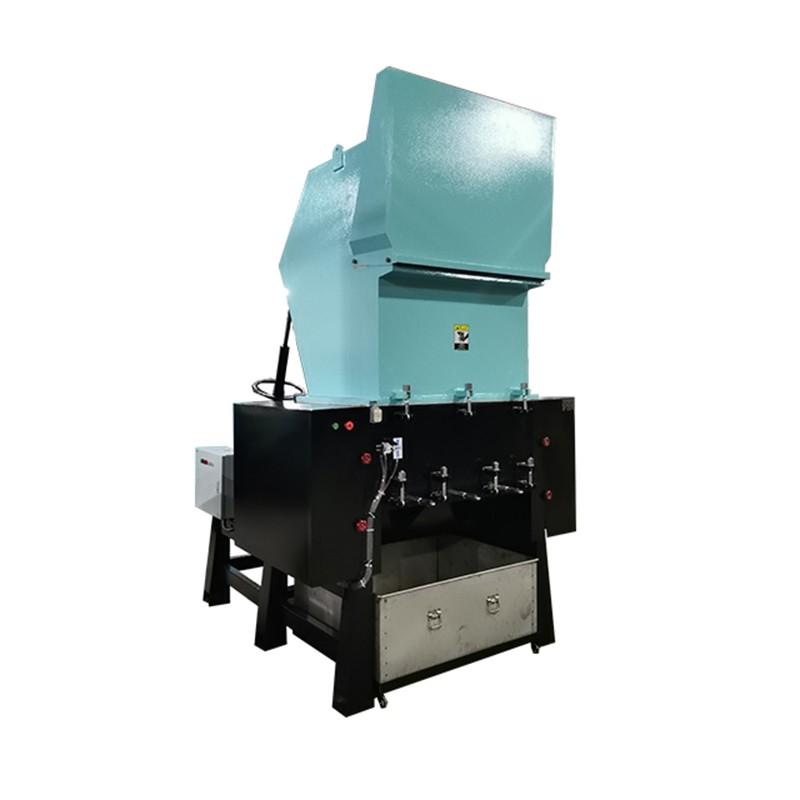
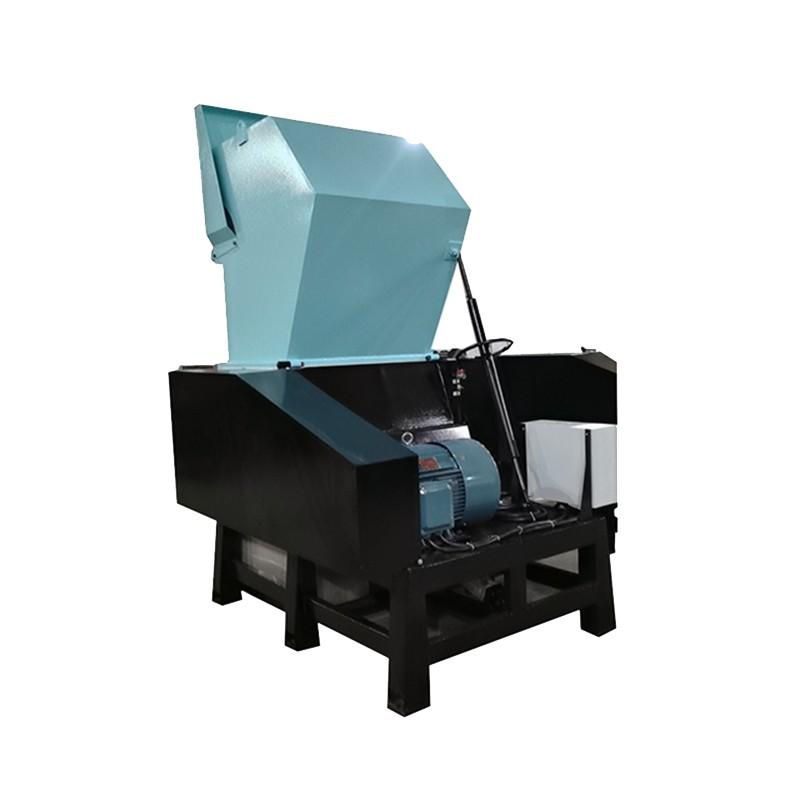
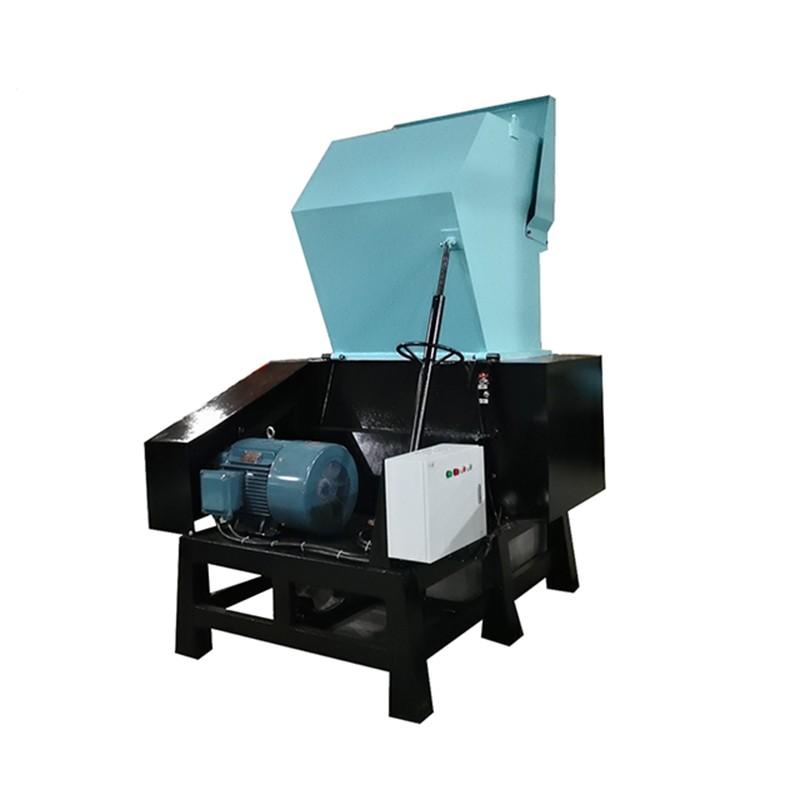
Centralized Material Recovery Facilities (MRFs) processing 50,000-100,000 tonnes per year require crusher capacity matched to large-scale operations. The ZL-PC1000 Mixed MRF Capacity Shredder delivers 1500 kg/h throughput with rotor geometry calibrated for multi-resin processing at large MRF scale.
| Model | ZL-PC1000 | Power | 38 kW (50 HP) |
| Voltage | 3-Phase 380V / 50Hz (Customizable: 220V/415V/440V/480V) | Motor Speed | 1480 rpm |
| Capacity | 1500 kg/h | Feed Opening | 850 x 510 mm |
| Rotating Blades | 27 pcs SKD-11 | Fixed Blades | 4 pcs SKD-11 |
| Screen Hole | 8-16 mm (customizable) | Net Weight | 2000 kg |
| Machine Size (L x W x H) | 2100 x 1600 x 2300 mm | Crushing Chamber | 880 x 540 mm |
| Material Compatibility | PET, PP, PE, PVC, ABS, PS, PC, PMMA, PA | Noise Level | max 94 dB |
| Warranty | 1 year (consumables excluded) | Certifications | CE / ISO 9001:2015 |
The ZL-PC1000 Mixed MRF Capacity Shredder delivers 1500 kg/h throughput, supporting centralized MRFs processing 50,000-100,000 tonnes per year of mixed plastic waste. At 1500 kg/h average throughput and 16 hours/day operation, a single ZL-PC1000 processes 8,760 tonnes annually.
For centralized MRF operators, the ZL-PC1000's 1500 kg/h capacity supports: 3-5 municipal curbside collection streams (300,000-500,000 households), 10-15 commercial recycling contracts (1,000-3,000 tonnes/year each), or 3-5 industrial post-industrial streams (3,000-8,000 tonnes/year each). The flexible capacity match enables MRFs to scale with regional collection growth.
The ZL-PC1000 processes mixed-resin streams (PET, PP, PE, PVC, ABS, PS, PC, PMMA, PA) at 1200-1500 kg/h. The 27-blade rotor geometry produces consistent flake size distributions that work with downstream sink-float separation and optical sorting. Mixed-stream throughput is 80-100% of pure-stream throughput, reflecting stream variability.
For MRFs receiving curbside collection streams (typically 60% PET + HDPE, 25% PP, 10% mixed rigid, 5% film + contamination), the ZL-PC1000 maintains 1200-1500 kg/h sustained throughput. The 38 kW motor's torque reserve handles contamination events without stalling.
For large MRFs processing 75,000 tonnes annually, the ZL-PC1000's 1500 kg/h capacity supports the throughput requirements of large-scale multi-stream recovery. A typical 75,000 tonne/year MRF runs 5-7 ZL-PC1000 machines in parallel for product-mix flexibility and operational redundancy.
For a 75,000 tonne/year MRF, 5 ZL-PC1000 machines process approximately 65,000 tonnes annually (3 shifts each), recovering 45,500 tonnes of sorted PET, HDPE, PP for resale at USD 600/tonne average. Annual revenue: USD 27.3 million against USD 16 million operating cost, yielding USD 11.3 million net revenue shared between the MRF operator and material suppliers.
The ZL-PC1000 produces flake at 8-10 mm screen size that feeds directly into Near-Infrared (NIR) optical sorters without intermediate granulation. NIR sorting separates PET, HDPE, PP, and other polymers with 95-99% purity at throughputs up to 2,000 kg/h per sorter.
For MRFs adding optical sorting to existing operations, the ZL-PC1000 output is calibrated for direct sorter feed. The 8 mm screen produces flake that NIR sorters can identify and separate efficiently. Plants skipping NIR sorting and relying on density separation alone see 85-90% purity (lower than optical but adequate for non-food-grade applications).
Centralized MRF plant design with 5 ZL-PC1000 machines supporting 75,000 tonnes/year throughput: dedicated electrical infrastructure (200A main panel, 100 kVA transformer, USD 12,000), shared material handling (conveyors, optical sorters, wash systems, USD 80,000-120,000), shared facility (building, loading docks, USD 50,000-100,000). Total plant cost: USD 200,000-280,000 for machinery + USD 100,000-150,000 for facility = USD 300,000-430,000.
The ZL-PC1000's USD 8,800 unit cost represents 3-4% of total plant investment, making it a relatively small component of the larger centralized MRF infrastructure. Most plant investments focus on the optical sorting equipment (USD 200,000+) and the wash systems (USD 80,000+), with crushers representing the operational backbone at modest capital cost.
Centralized plastic recycling centers typically qualify for government circular economy subsidies, carbon credits, and extended producer responsibility (EPR) payments. The ZL-PC1000 with documented 1500 kg/h throughput and ISO 9001:2015 certification provides the documentation needed to access these revenue streams. Typical subsidy rates for EU, North American, and Asian programs range from USD 50-200 per tonne of recycled output.
For a 75,000 tonne/year centralized MRF, government subsidies can add USD 3.75-15 million annual revenue at the average USD 50-200/tonne subsidy rate. Carbon credits from avoided virgin resin production add another USD 200-500 per tonne (based on 1.5-3.0 tonnes CO2 equivalent per tonne of recycled resin vs virgin production).
Q: What is the design throughput for a 75,000 tonne/year centralized MRF?
5 ZL-PC1000 machines operating 24/7 with 95% uptime availability. Each machine processes 8,760 tonnes annually, totaling 43,800 tonnes of plastic throughput (60% of total MRF input; remainder is paper, metal, glass that goes through other equipment).
Q: What government subsidies are available for centralized MRFs?
Subsidies vary by region: EU Circular Economy subsidies USD 100-200/tonne; US state recycling grants USD 30-80/tonne; Asian EPR (Extended Producer Responsibility) payments USD 50-150/tonne. The ZL-PC1000 ships with ISO 9001:2015 and CE certifications required for most subsidy programs.
Q: How does the ZL-PC1000 integrate with ESG reporting?
The optional cloud monitoring package (USD 480) tracks tonnes recycled, energy consumption, and operational uptime. The data exports to standard ESG reporting formats (GRI, SASB, TCFD) and integrates with enterprise ESG platforms.
Q: What is the contract life for centralized MRF equipment?
15-20 years typical, matching municipal contract durations. The ZL-PC1000 is designed for 15-year service life with major component replacement (motor, gearbox) at 8-10 years. Most large MRF operators maintain spare ZL-PC1000 inventory for emergency replacement.
Q: Can the ZL-PC1000 be deployed in mobile recycling centers?
Limited. The 2000 kg machine mass and 38 kW power requirement make mobile deployment impractical. Mobile recycling centers typically use smaller 5-15 kW machines with lower throughput. The ZL-PC1000 is designed for fixed installation at centralized facilities.
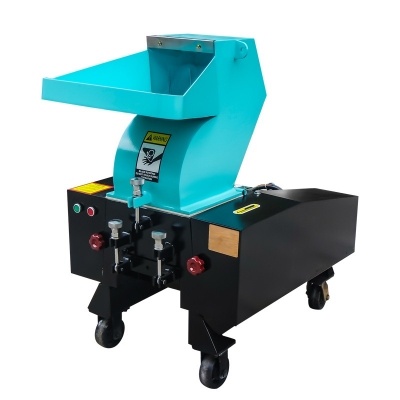
The ZL-PC180 PET Bottle Crusher is purpose-built for small-scale PET recycling operations processing 800-1500 kg/day of post-consumer bottles. Its 2.2kW motor with 9 SKD-11 rotating blades and 6-12mm interchangeable screen delivers 120-150 kg/h of uniformly-sized PET flakes-ready as direct feed for hot wash lines, dewatering, and pelletizing. Ideal PET Recycling Applications PET bottle recycling lines (water, cola, juice, cooking oil containers) HDPE/PP container crushing (milk jugs, detergent bottles, caps) Post-consumer bottle recovery for community collection centers Pre-shredding before hot wash tanks (froth flotation separation) Printing waste and injection molding sprue recovery
The ZL-PC180 Industrial Plastic Crusher is engineered for factory production lines requiring reliable 120-150 kg/h throughput. Its 2.2kW heavy-duty motor paired with 9 SKD-11 rotating blades delivers consistent particle size for downstream extrusion or compounding lines. Industrial Features Heavy-duty 2.2kW motor for continuous operation SKD-11 blades rated for 1000+ hours of use Industrial-grade frame and bearings CE certified for global deployment
The ZL-PC180 Plastic Crusher Machine is manufactured in China by Zillion — a leading plastic crusher supplier with 15+ years of OEM/ODM experience. This 2.2kW industrial model produces 120-150 kg/h and ships directly from our Dongguan factory at competitive wholesale pricing. China Supplier Advantages Factory-direct pricing with no middleman markup OEM/ODM branding and packaging available Multi-voltage: 220V/380V/400V/415V/440V CE certified for global markets
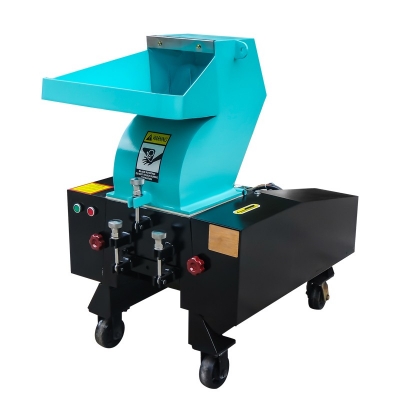
The small plastic crusher is a device specially used for crushing small plastic items. It is small in size and easy to be placed in various places, such as small factories, laboratories, and corners of workshops. The machine is mainly composed of a feeding port, a crushing chamber, cutting tools, a motor and a discharge port. Through the motor driving the cutting tools to rotate at high speed, the plastic put into the feeding port is quickly crushed into small particles. The small plastic crusher is suitable for processing various waste plastic products, such as beverage bottles, plastic films, small plastic parts, etc. It is simple to operate, safe and reliable, and can effectively realize the recycling of plastics, reducing resource waste and environmental pollution.
The 5HP plastic crusher is suitable for crushing various types of soft and hard plastics, including plastic edge materials, recycled materials, semi-finished products, etc. It can crush plastics in the forms of blocks, balls, sheets, strips, bottle shells, basket bags, etc. into granular form for recycling, greatly improving the utilization rate of plastics. This crusher is power-saving and has excellent crushing effect. The base is attached with pulleys for convenient movement, and it has a compact size without taking up too much space.
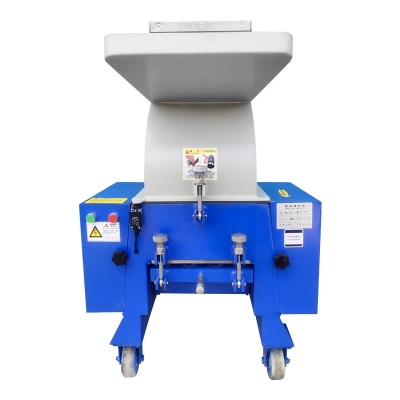
Plastic crusher is a device designed for crushing various plastic materials. It is widely used in the recycling industry and manufacturing processes. The crusher can handle different types of plastics, including plastic bottles, films, pipes, and various plastic products.
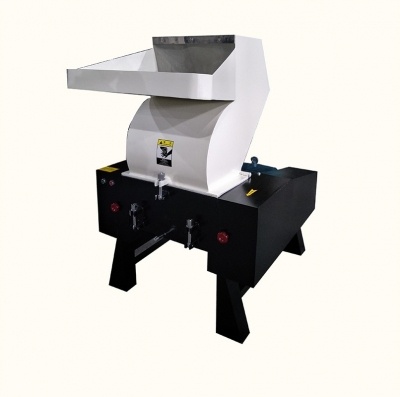
The plastic crusher is a machine specially designed for crushing various plastic materials. It has a sturdy and durable casing, usually made of high-quality steel, which can withstand high-intensity working pressure. When various plastic items are put into the feeding port of the crusher, the cutters quickly cut and crush them. Whether it is hard plastic sheets or soft plastic films, they can be crushed into uniform small particles in a short time.
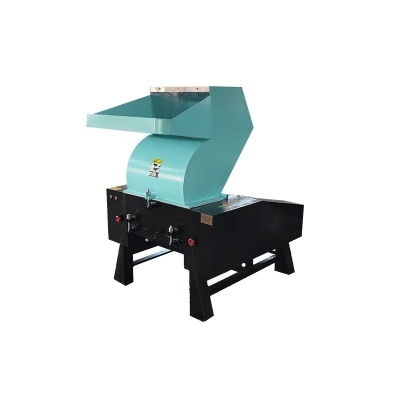
This machine is usually made of high-quality steel, ensuring durability and stability. It is equipped with powerful motors and sharp cutting blades. The plastic materials are fed into the crusher through a hopper. Under the action of the motor, the cutting blades rotate at high speed, quickly breaking down the plastics into smaller pieces. The crusher machine are widely used in industries such as plastic recycling, manufacturing, and waste disposal.


Our company's series of products are well-known in the plastic auxiliary machinery industry for their excellent performance and high cost performance.


 IPv6 network supported


 English
  English
 español
 العربية